

Understanding the psychology behind gambling behavior what drives risk-taking in casinos
The Allure of Risk in Gambling
The thrill of risk is one of the primary factors that draws individuals to gambling environments such as casinos. The potential for large payouts against the backdrop of a vibrant and stimulating atmosphere creates a powerful combination. This sensation can be addictive; players often seek the emotional highs that accompany winning, which can overshadow the reality of losing. You can find more information at sankra.org. The rush of adrenaline, combined with the desire for financial gain, fosters an environment where individuals willingly take risks despite understanding the odds.
Risk-taking behavior in gambling can also be explained through psychological theories, particularly the concept of “loss aversion.” This theory suggests that people experience the pain of losses more acutely than the pleasure of equivalent gains. As a result, gamblers might chase losses, continuing to bet in hopes of recovering their money. This behavior showcases how emotions heavily influence decision-making, often leading players deeper into a cycle of risk-taking.
Additionally, social influences play a pivotal role in shaping gambling behavior. In a casino setting, the presence of others celebrating their wins can create an atmosphere of excitement and possibility. This social reinforcement encourages individuals to engage in risk-taking behaviors, often leading them to gamble more than they initially planned. The interplay between individual psychology and social dynamics creates a complex environment that drives people to take risks in pursuit of thrill and reward.
The Role of Cognitive Biases in Gambling
Cognitive biases significantly impact gambling behavior, leading players to make irrational decisions. One notable bias is the “illusion of control,” where gamblers believe they can influence the outcome of games that are inherently random, such as slot machines or roulette. This belief can lead to increased betting, as players feel empowered to change their luck, despite the randomness of the games. Understanding this bias is crucial for comprehending why individuals often take risks that appear illogical to outsiders.
Another cognitive distortion prevalent among gamblers is the “gambler’s fallacy,” the belief that past outcomes influence future probabilities. For instance, a player might assume that a slot machine is “due” for a win after a series of losses, prompting them to wager more. This misconception can lead to substantial financial losses, as individuals may disregard statistical realities in favor of personal beliefs. These biases demonstrate how psychological factors can cloud judgment and propel risk-taking behavior in casinos.
Furthermore, confirmation bias also plays a role in gambling behavior. Players tend to remember their wins more vividly than their losses, reinforcing their perception of luck. This selective memory can encourage ongoing gambling, as individuals focus on past successes while downplaying negative experiences. The cognitive biases influencing gambling behavior illustrate the complexities of human psychology and how it affects decision-making processes in high-risk environments.
Emotions and Gambling: The Connection
Emotions are deeply intertwined with gambling behavior, serving as both a motivator and a consequence of risk-taking. Many individuals gamble to escape from reality or cope with negative feelings such as stress or anxiety. The excitement of gambling can provide a temporary high, offering a distraction from life’s challenges. However, this emotional relief is often short-lived, leading to further gambling as a means of chasing that fleeting pleasure.
Moreover, the emotional rollercoaster associated with gambling can be intoxicating. Winning brings about feelings of euphoria and accomplishment, while losing can result in frustration and despair. These emotional highs and lows create a cyclical pattern, where gamblers continue to engage in risk-taking behaviors to regain the thrill of a win. Understanding this emotional landscape can shed light on why individuals often find themselves trapped in a cycle of gambling.
Finally, the way emotions are managed can influence gambling behavior significantly. Some gamblers may develop healthier coping strategies, recognizing when to step back and avoid excessive risk. Others, however, may struggle with impulse control, allowing their emotions to dictate their actions at the casino. This relationship between emotion regulation and gambling behavior underscores the importance of addressing psychological aspects in responsible gambling initiatives, emphasizing the need for awareness and education.
The Impact of Environment on Gambling Behavior
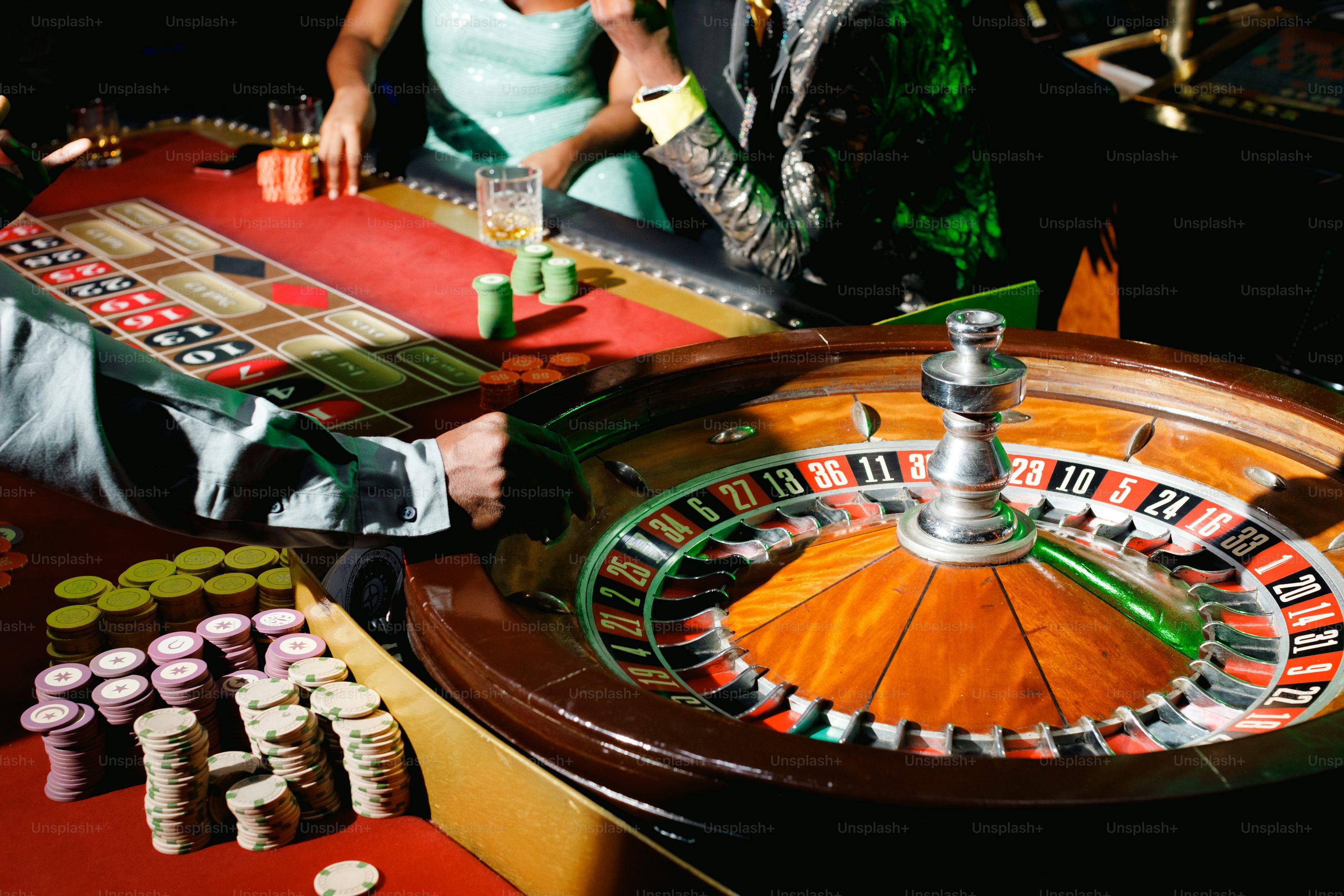
The environment of a casino plays a crucial role in influencing gambling behavior. The layout, lighting, and sounds are meticulously designed to stimulate excitement and promote prolonged play. Bright lights, ringing slot machines, and the thrill of nearby winners create an atmosphere that encourages risk-taking. Gamblers may lose track of time and money within this immersive environment, driven by the sensory overload that casinos provide.
Additionally, the social environment within a casino can reinforce risk-taking behavior. Interactions with other players can create a sense of camaraderie, motivating individuals to bet more. This social dimension can enhance the overall experience of gambling, making it more appealing and engaging. However, it can also lead to groupthink, where individuals follow the behavior of others rather than making independent choices based on personal judgment.
Furthermore, the availability of free drinks and promotions can contribute to increased risk-taking in casinos. Complimentary beverages can lower inhibitions and impair judgment, leading to reckless betting behavior. As individuals feel more relaxed and social, they may engage in riskier gambling activities than they would otherwise. Understanding the environmental factors at play is vital for comprehending the psychological dynamics behind gambling behavior and its impact on risk-taking.
Exploring the World of Online Gambling with Sankra Casino
As the landscape of gambling evolves, online platforms like Sankra Casino are revolutionizing the way players engage with games. Offering a diverse selection of over 7,000 games, including live dealer options, the platform caters to various preferences, all within a safe and secure environment. As players explore these games, they experience the thrill of risk-taking from the comfort of their homes, where the psychological factors influencing gambling behavior remain ever-present.
Sankra Casino not only prioritizes the player experience with an attractive welcome bonus but also implements responsible gambling measures. By encouraging players to set limits and understand the risks involved, the platform aims to foster a balanced approach to online gambling. This focus on player safety reflects a growing awareness of the psychological elements that drive risk-taking behavior, emphasizing the need for education and responsible practices.
In conclusion, understanding the psychology behind gambling behavior is essential for both players and platforms like Sankra Casino. By recognizing the emotional, cognitive, and environmental factors that influence risk-taking, individuals can make informed decisions about their gambling activities. As the online gambling industry continues to grow, fostering a responsible gaming culture will be crucial in ensuring a safe and enjoyable experience for all players.